Is Hyperbaric Oxygen Therapy Safe?
Hyperbaric oxygen therapy (HBOT) is generally well tolerated when delivered using appropriate equipment, trained staff and suitable safety procedures. Like any treatment, however, it carries some potential risks and is not suitable for everyone.
At HICE HQ, safety is an important part of the hyperbaric oxygen therapy experience. Understanding how HBOT works, what to expect during a session, and when treatment may not be appropriate can help you make an informed decision about whether it is right for you. We credit Oxydise our HBOT partners in bringing this service to our customers and the training they provided all staff with in order to carry out safe sessions right here at HQ
What happens during hyperbaric oxygen therapy?
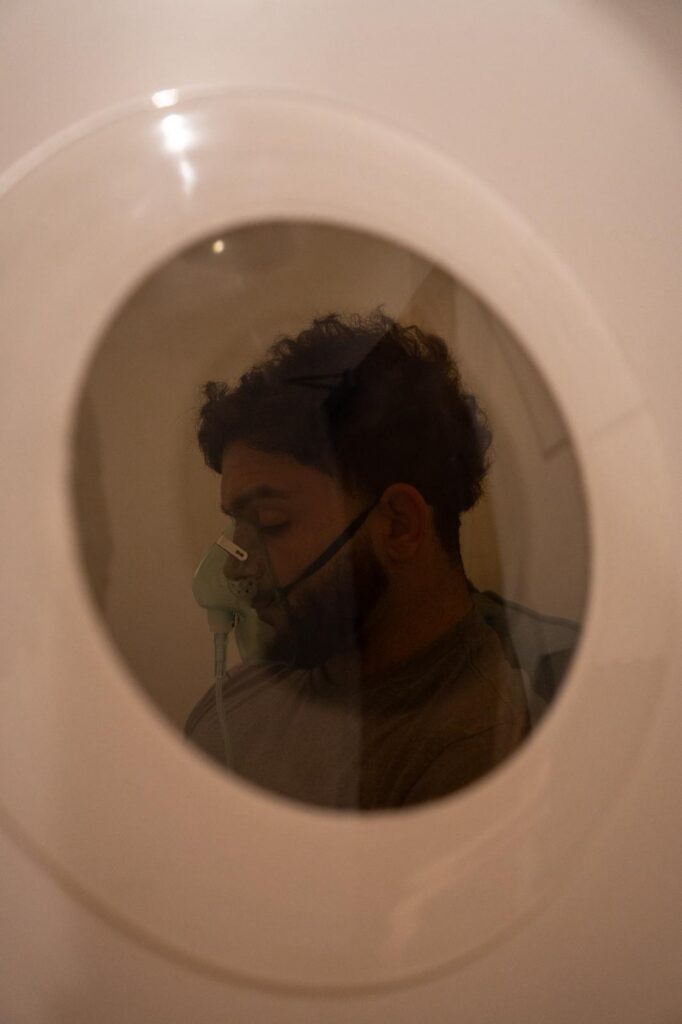
During a hyperbaric oxygen therapy session, you relax inside a pressurised chamber while breathing oxygen. The increased pressure allows more oxygen to dissolve into the bloodstream and be transported around the body.
HBOT is used in clinical settings for a number of established medical indications, while research is also investigating its potential applications across recovery, rehabilitation and wellbeing.
What are the common side effects of HBOT?
Most side effects associated with hyperbaric oxygen therapy are relatively mild. The most common issue is ear discomfort or difficulty equalising pressure as the chamber is pressurised or depressurised.
Other possible side effects can include:
- Ear or sinus discomfort
- Headache
- Fatigue
- Claustrophobia
A 2023 systematic review and meta-analysis of 24 randomised controlled trials involving 1,497 participants found found that many adverse effects were mild and self-limitingWho should not have hyperbaric oxygen therapy?
HBOT isn’t appropriate for everyone. The main absolute contraindication is an untreated pneumothorax, because pressure changes can create a potentially life-threatening complication.
Other medical conditions, medications and circumstances may require additional assessment before treatment. These can include certain respiratory conditions, ear or sinus problems, seizure disorders and other health considerations.
For this reason, anyone considering hyperbaric oxygen therapy should disclose relevant medical history and medications before beginning treatment.
Is HBOT safe for recovery and wellness?
For people interested in HBOT for recovery and wellness rather than an established medical indication, it’s important to understand that the evidence varies depending on the specific goal.
Research is continuing into areas such as sports recovery, wound healing, neurological recovery and other applications. HBOT should not be presented as a replacement for appropriate medical diagnosis or treatment.
At HICE HQ, we believe in taking a responsible approach: understanding the potential benefits while being transparent about the limitations and risks.
Is hyperbaric oxygen therapy safe at HICE HQ?
Our approach is to make safety a priority throughout the experience. This includes following appropriate chamber procedures, providing guidance before and during treatment, and ensuring clients understand what to expect.
Whether you’re exploring hyperbaric oxygen therapy in West Yorkshire for recovery, wellbeing or performance, it’s important to choose a facility that takes safety, equipment and client education seriously.
The bottom line
So, is hyperbaric oxygen therapy safe?
For appropriately people, HBOT is generally well tolerated, with the most common side effect being temporary ear discomfort or pressure-related problems. However, it isn’t completely risk-free and isn’t suitable for everyone.
Understanding your individual circumstances, using appropriate equipment and following established safety procedures are essential to making hyperbaric oxygen therapy as safe as possible.
If you’re considering HBOT in West Yorkshire, HICE HQ provides hyperbaric oxygen therapy alongside our wider recovery and wellness offering in Brighouse.
Want to book your first session now? find the link below